

Stories
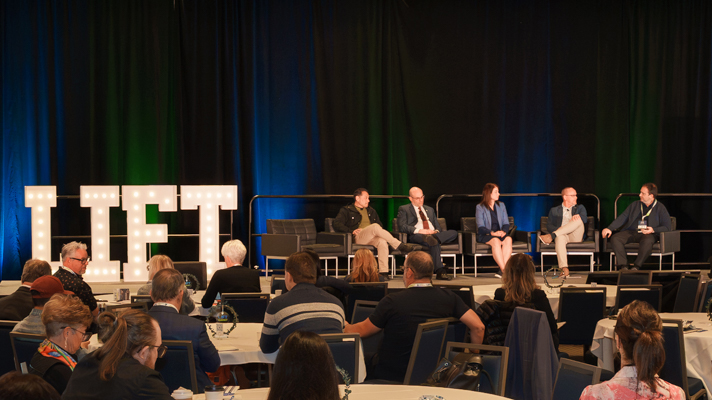
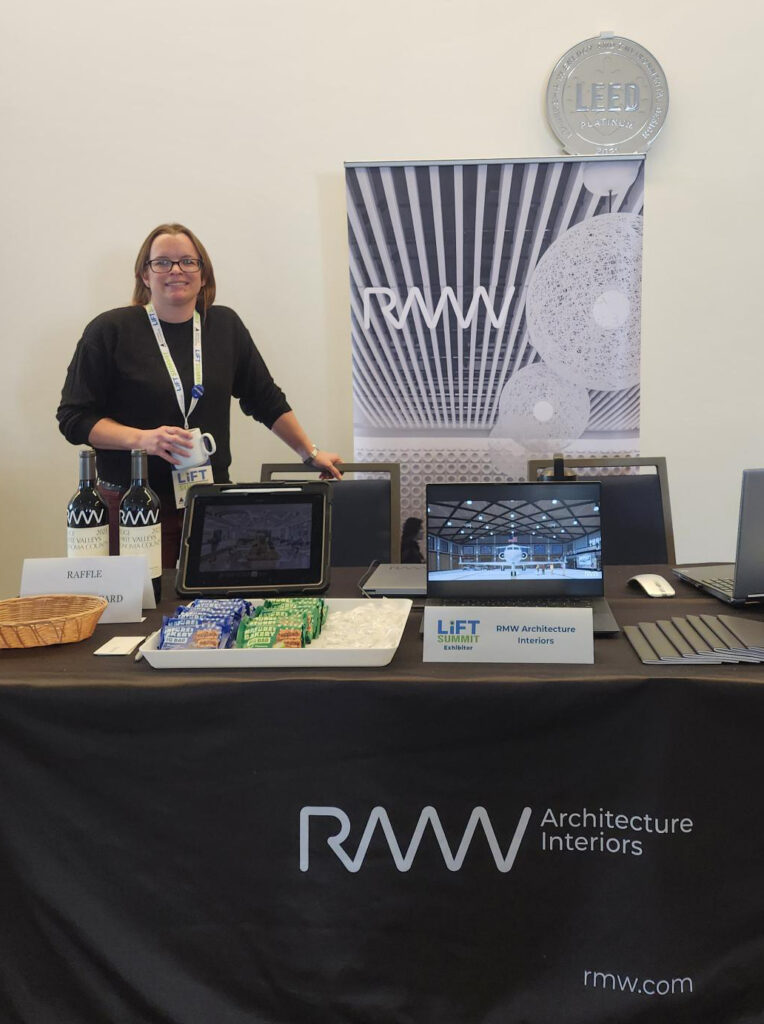
The 2026 LIFT Summit brought together Advanced Air Mobility (AAM) leaders from across the globe to take stock of how far the low‑altitude economy has come—and, more importantly, where it is headed. We attended not just to listen, but to understand what this next chapter means for the built environment and the systems that will support it.
It didn’t take long for the conversation to shift. Panels and side discussions quickly moved past whether AAM would become a reality and focused squarely on when we will see the first commercial flights. The consensus was clear: the question of “if” is firmly behind us.
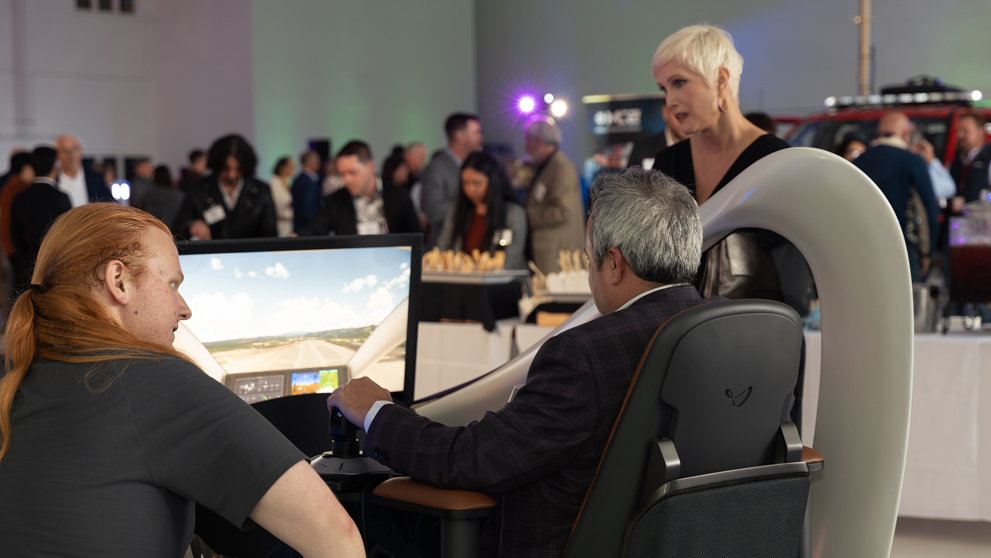
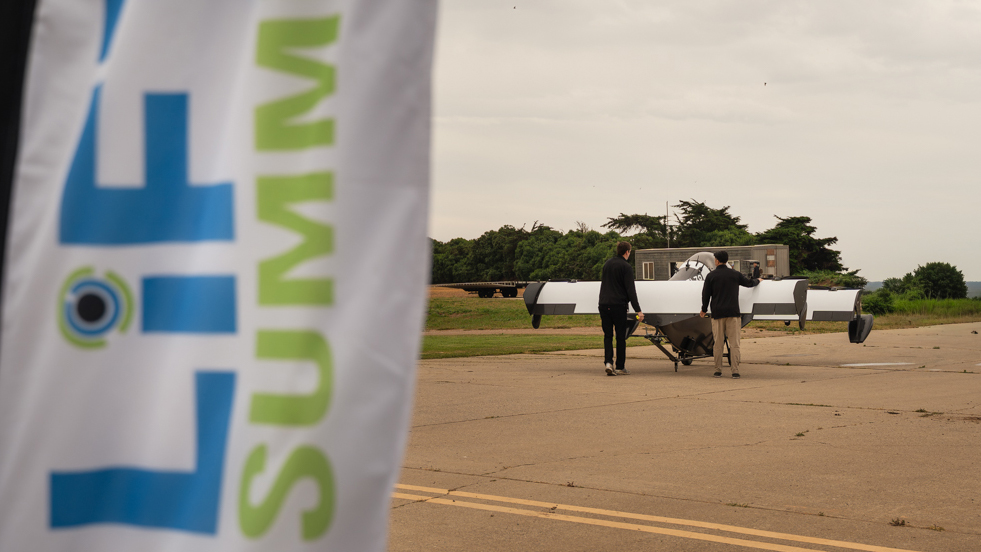
Across presentations and hands-on demonstrations, one message stood out—AAM is entering a new phase defined by scale. The challenges ahead are no longer theoretical. They are practical and urgent: ramping up manufacturing to meet demand, delivering the physical and digital infrastructure required for deployment, and—critically—developing a skilled workforce capable of sustaining this rapidly emerging ecosystem.
The Summit’s momentum reached a symbolic peak with the successful launch of Artemis II—a powerful reminder that progress happens when vision is matched with execution. For us, that moment underscored why we engage in forums like LIFT: to stay at the intersection of innovation, infrastructure, and human experience, and to help translate breakthrough technologies into places and systems that make them viable, scalable, and real.

Contributors
Stanley H. Lew Stephanie Silkwood Jenna Wittenberg Stefanie Wibiasa