

Stories
When organizations think about a new workplace, they often picture the finished product: a welcoming lobby, collaborative gathering spaces, or beautifully designed work areas. But according to Denise Darrin, Studio Director of Workplace Strategy at RMW Architecture & Interiors, the most successful workplaces start long before design begins. “Workplace strategy is the bridge between a company’s business goals and the daily experience of its employees,” Denise explains. “It’s not just about where desks go. It’s about understanding how people work and creating an environment that helps them succeed.”
For Denise, workplace strategy is fundamentally about solving problems. Through employee engagement, data analysis, workplace assessments, and change management, she uncovers how organizations function today and what they need to thrive in the future. Her work helps clients make informed decisions about culture, space, technology, and flexibility before a single floor plan is drawn.
Strategy as Part of the Design Process
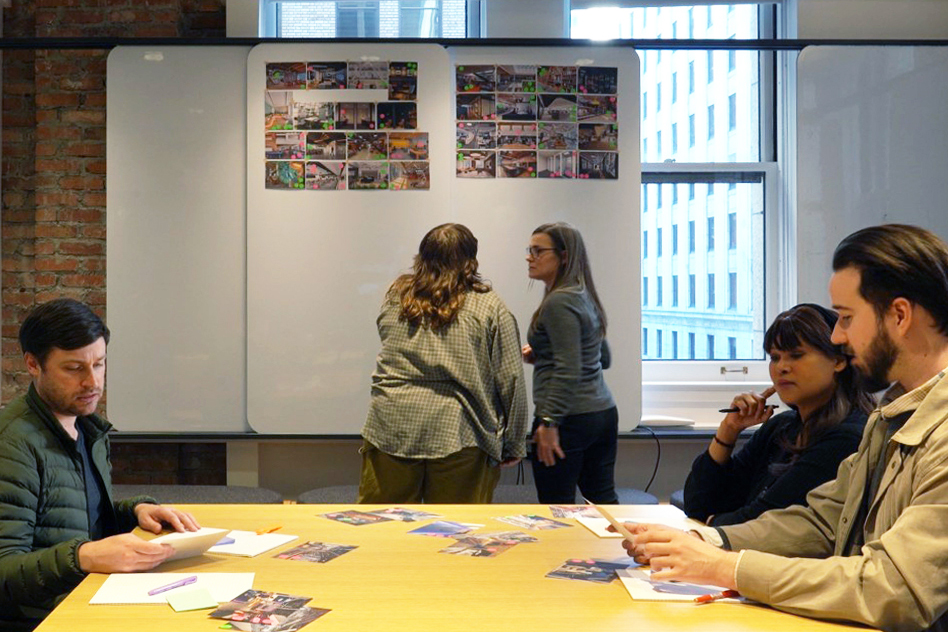
At many firms, workplace strategy exists as a separate phase that concludes before design begins. At RMW, strategy is fully integrated into the project team from start to finish. “We don’t come in, collect data, hand over a report, and walk away,” Denise says. “We’re part of the process from beginning to end.” That collaborative approach allows strategy and design to inform one another throughout the life of a project. Denise works closely with architects and interior designers, providing the insights and rationale that guide creative decisions while ensuring the workplace remains aligned with the client’s goals. She often describes herself as a detective, by asking questions, listening closely, and uncovering patterns that may not be immediately obvious. For example, she shares “Sometimes clients think they need more conference rooms,” she says. “When we dig deeper, we discover the real issue is a lack of focus space or technology challenges. The solution isn’t always what people initially think.”
Shaping Places for Growth and Innovation
Over her career, Denise has helped transform workplace experiences for notable organizations including Salesforce, Fitbit, Prologis, Verizon, and Adobe, applying workplace strategy to support growth, collaboration, and cultural transformation. At RMW, her expertise has contributed to projects that extend beyond traditional office planning. She has also been involved in workplace-focused initiatives such as the global confidential financial tech firm, where the workplace experience is thoughtfully integrated into a broader vision for community, brand, and function. The strategy team helps clients understand that the objective is not about managing square footage. It’s about aligning people, place, and purpose.
From Data to Human Experience
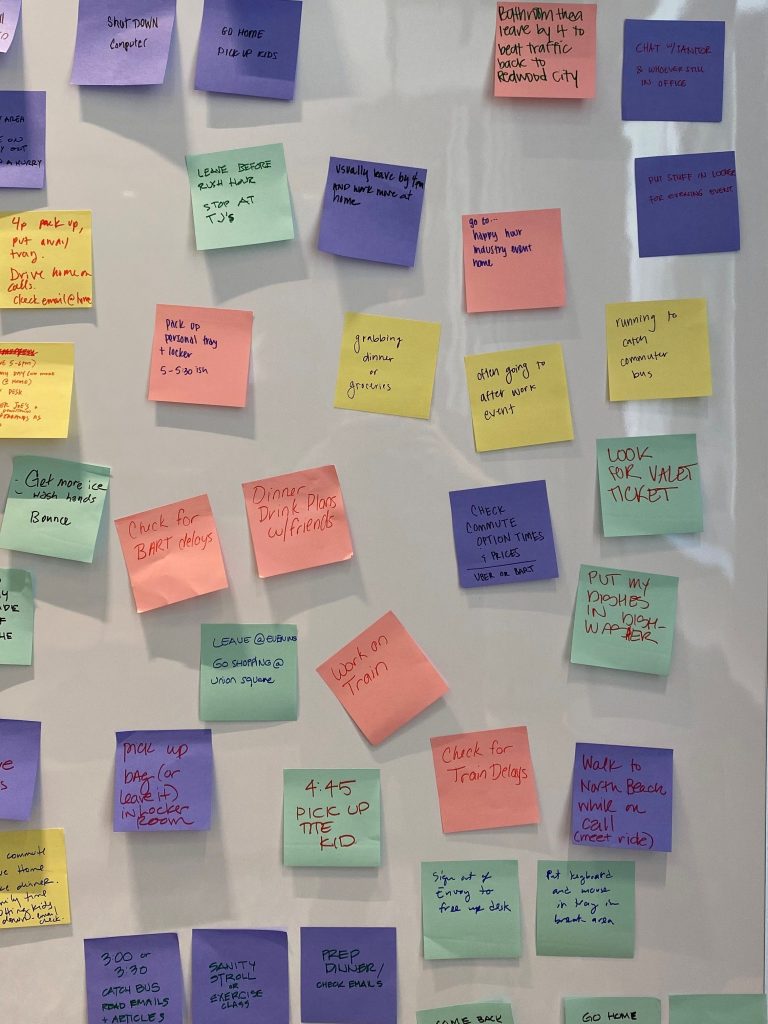
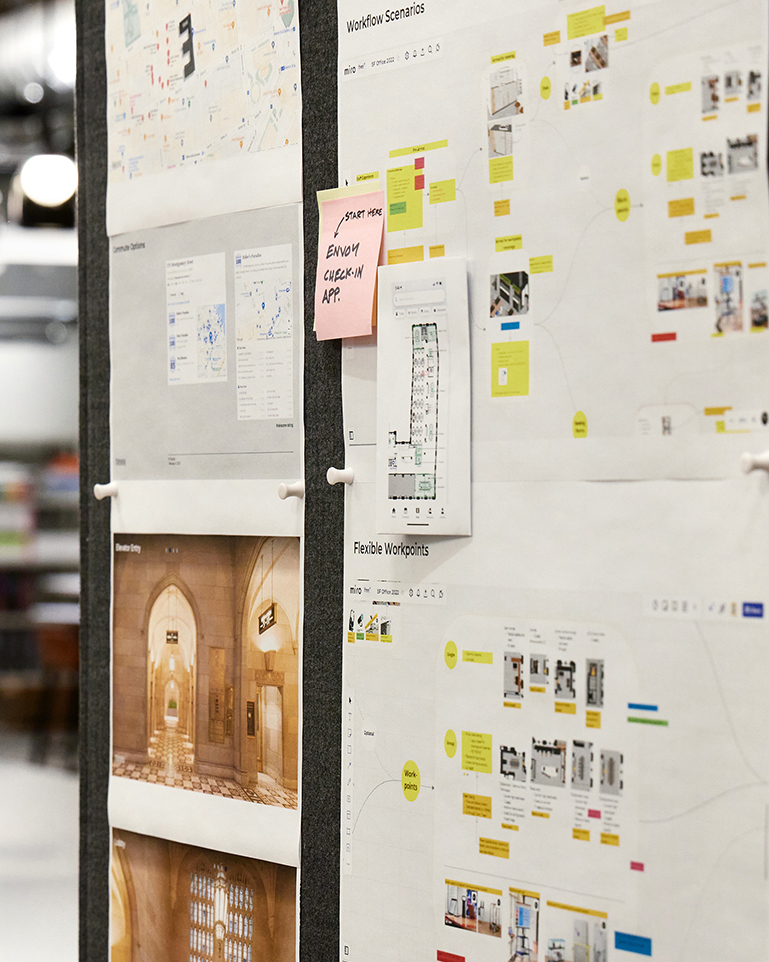
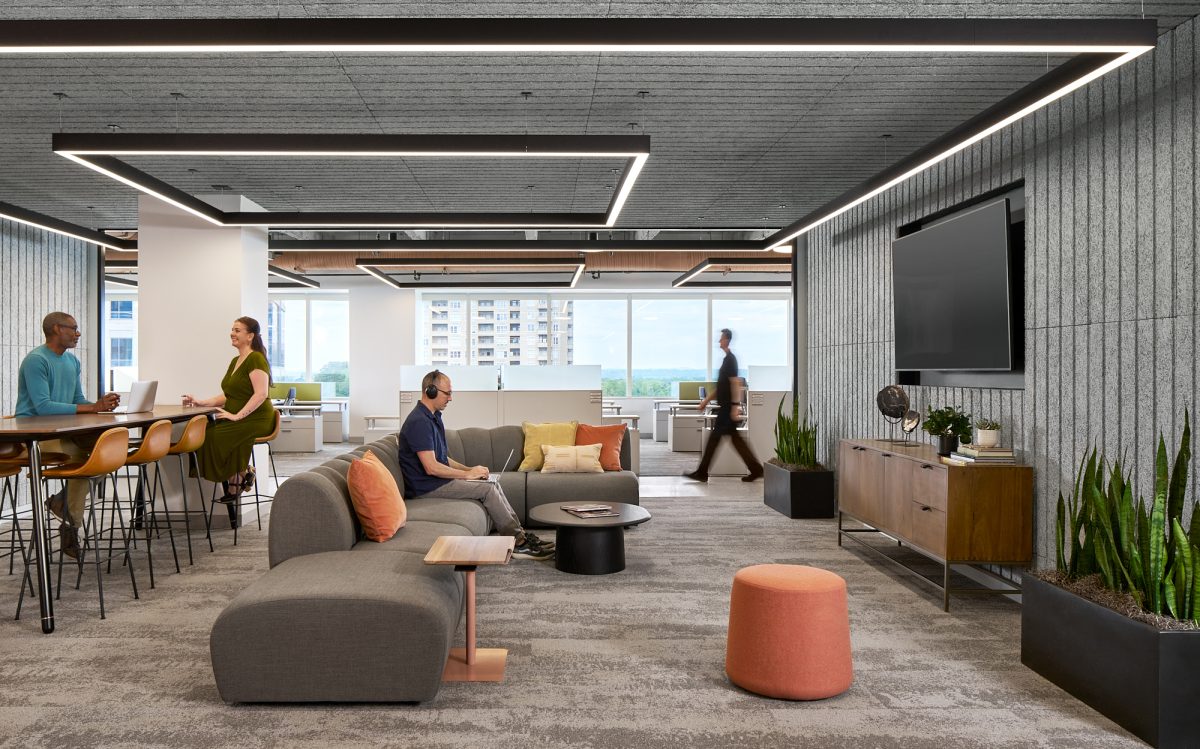
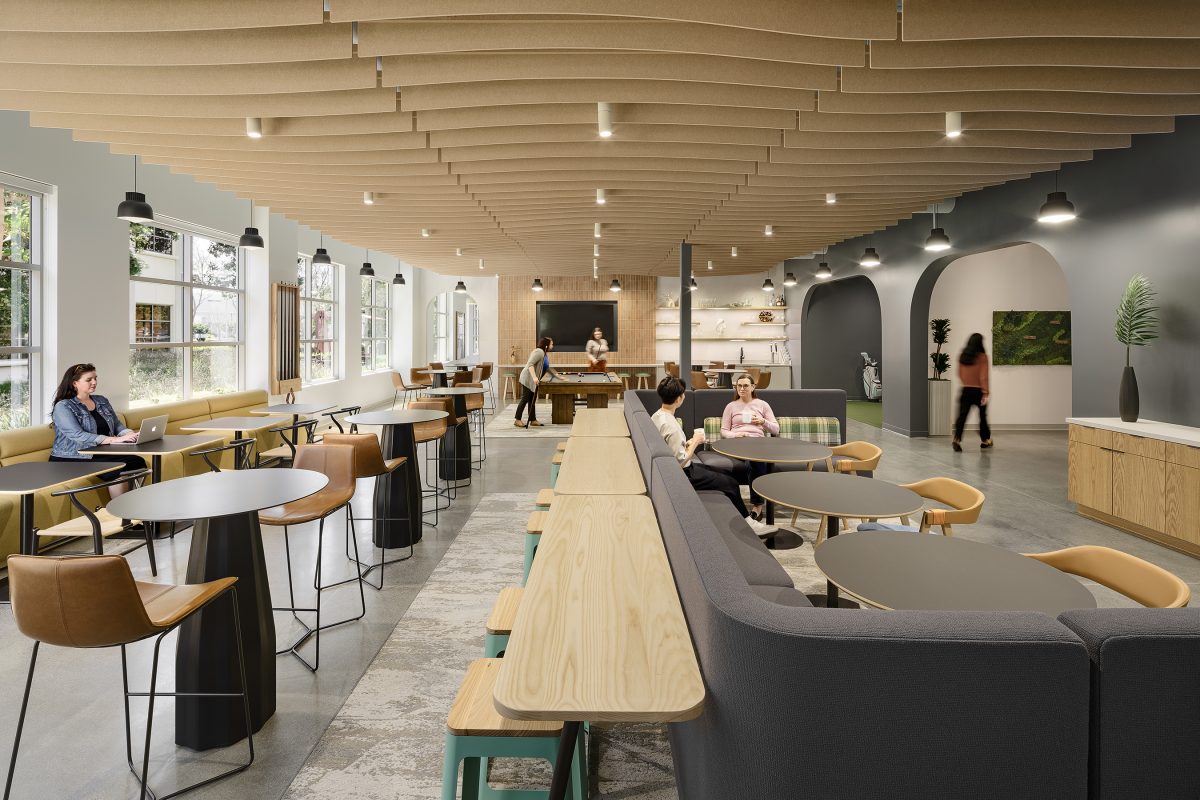
For Denise, effective workplace strategy balances analytics with empathy. Her work begins by understanding how employees spend their days, where friction exists, and what experiences are helping, or hindering their work. She examines occupancy patterns, meeting behaviors, technology needs, team dynamics, and organizational culture to create a roadmap for design. The objective isn’t simply efficiency; it’s creating workplaces people genuinely want to use. “Five years ago, the conversation was often about maximizing space,” Denise explains. “Today, companies are asking how to make the office a destination, somewhere employees choose to come because it supports collaboration, connection, and focused work.” That philosophy can be seen in RMW’s own Living Lab, the firm’s San Francisco workplace that serves as a real-world testing environment for hybrid work strategies. The Living Lab, designed to be an evolving adaptable work environment, continues to be an educational resource to observe employee behavior, evaluate workplace performance, and continuously improve how space supports evolving work patterns.
The Future of Workplace Strategy
As organizations continue to adapt to changing employee expectations, Denise believes flexibility will remain one of the defining qualities of successful workplaces. A workplace should be able to evolve alongside the business it serves. That means creating environments that are empathetic to neurodivergent needs while supporting different workstyles, accommodate future growth, and respond to changing operational needs without requiring a complete redesign. Ultimately, Denise views workplace strategy as the foundation that allows great design to succeed. “You can create a beautiful office,” she says. “But if it doesn’t support the people using it, it won’t achieve its purpose. The most successful workplaces are the ones that function well, adapt over time, and make people’s day-to-day experience better.”
Leading Organizational Change
One key value-add in workplace strategy is helping organizations navigate change. Whether a company is relocating, consolidating its footprint, implementing hybrid work strategies, or adapting to rapid growth, workplace transitions can create uncertainty among employees. Denise advocates that successful change begins with clear communication. “People need to understand the why,” she says. “When employees understand why decisions are being made and feel included in the process, they’re much more likely to embrace change.” Her approach combines workplace strategy with change management, helping organizations engage employees early through surveys, workshops, interviews, and ongoing conversations. By creating transparency and fostering participation, our strategy team helps build trust before move-in day arrives. This focus on employee adoption ensures that a new workplace is not only beautifully designed but also embraced by the people it was designed to serve.