

Stories

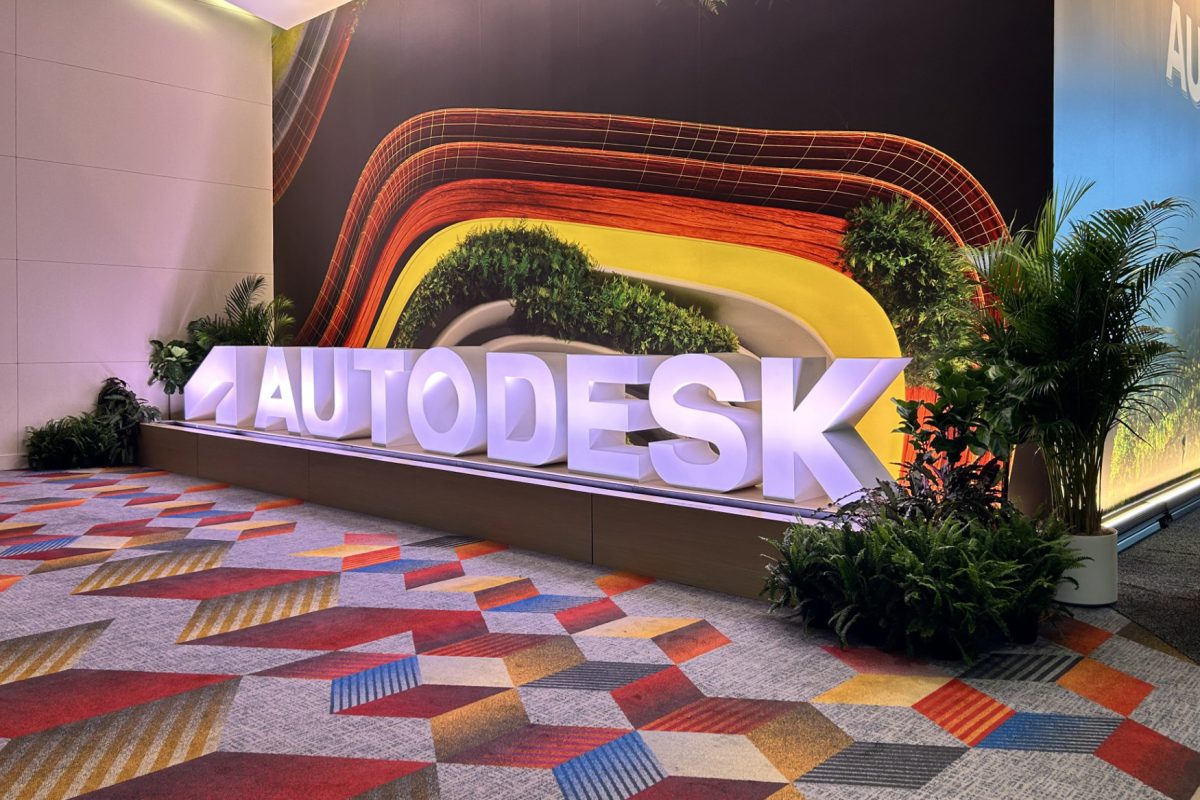
The conversations at Autodesk University (AU) this year made one thing clear: artificial intelligence is rapidly becoming embedded across the architecture, engineering, construction, and real estate industries. For RMW, the event reinforced not whether AI will become part of practice, but how firms can thoughtfully integrate emerging technologies in ways that strengthen expertise, improve delivery, and maintain client trust.
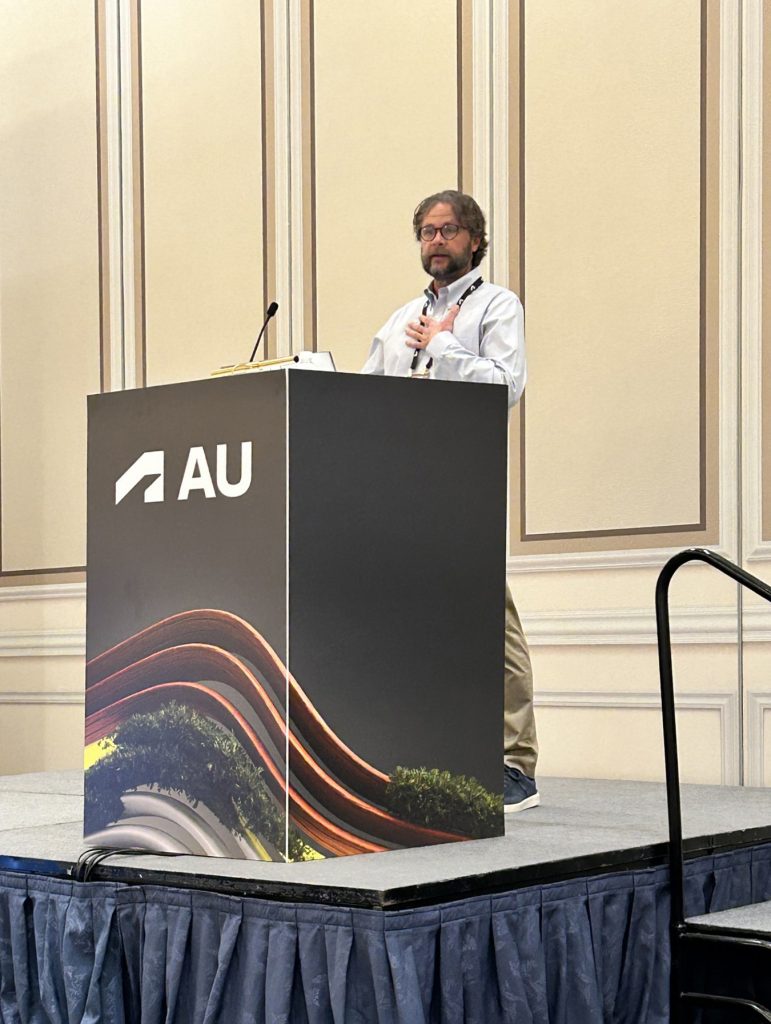
Representing RMW at AU were Director of Technology Steve DeWitt, Principal Stephanie Silkwood, Designer Imran Khan, IT Manager Peter Gerfen, and Associate Allison English. Across sessions focused on design technology, automation, operations, and risk management, a consistent theme emerged: AI is most valuable when it amplifies human knowledge rather than attempting to replace it.
AI as a Multiplier
For Steve DeWitt, who has attended Autodesk University for more than a decade and closely tracks emerging technologies, this year’s conference reflected a significant acceleration in AI capabilities. Yet his strongest takeaway was not about replacing designers or automating creativity. It was about empowering subject matter experts.
“What became clear is that the subject matter expert is becoming the AI expert,” says DeWitt. “The people who understand the work best are now able to develop workflows that automate repetitive tasks, manage information more effectively, and spend more time focusing on design judgment and problem-solving.”
Throughout the conference, presenters demonstrated how AI can support quality control, documentation reviews, data management, and workflow automation. While the technology continues to evolve, DeWitt noted that the greatest near-term opportunity lies in helping teams access and leverage information more efficiently.
As firms grow, well-organized knowledge and standards become increasingly valuable. Many of the technologies showcased at AU highlighted how AI can make institutional knowledge more accessible, reduce onboarding time, and support more consistent project delivery.
The conference also reinforced a broader industry shift. Many attendees compared AI adoption today to the transition from AutoCAD to BIM-based workflows. Firms that embraced BIM gained significant advantages in coordination, visualization, and delivery. Many industry leaders believe AI represents a similar inflection point.
For RMW, the focus remains practical and strategic: implementing tools where they create measurable value while preserving the expertise, judgment, and creativity that define the design profession.
Focus on Trust
While technological advancements captured much of the attention at AU, discussions around ethics, liability, transparency, and trust were equally prominent.
Principal Stephanie Silkwood attended sessions exploring how AI is being integrated directly into design platforms and workflows. One example demonstrated how design studies, massing models, and financial analysis can be linked together, providing real-time insights as projects evolve.
The potential efficiencies were compelling, but Silkwood emphasized that successful implementation requires deliberate planning, investment, and training.
“As these tools become more integrated into practice, firms need to think carefully about how they support their teams, how they train people, and how they maintain quality throughout the process,” Silkwood says.
That responsibility extends beyond internal operations. As clients increasingly ask about AI during interviews, proposals, and project discussions, trust remains a central consideration.
RMW’s approach is grounded in the belief that technology should strengthen project outcomes while safeguarding client interests, intellectual property, and design integrity. AI can accelerate analysis, streamline workflows, and support decision-making, but professional judgment remains essential.
Several conference discussions emphasized that successful AI adoption requires transparency, security, accountability, and clear governance. Those principles align closely with RMW’s long-standing commitment to stewardship, collaboration, and client service.
Why Expertise Matters More Than Ever
For Allison English, one of the most important lessons from AU involved responsible use.
“The potential is significant, but transparency, security, and accountability have to remain part of the conversation,” she says. “The tools are powerful, but how we use them matters.”
A recurring theme throughout the conference was that access to technology does not eliminate the need for expertise.
As generative tools become more widely available, clients and project partners are increasingly experimenting with AI-generated images, concepts, and recommendations. While these tools can be useful, presenters repeatedly emphasized the importance of professional review and validation.
Design solutions must still be evaluated for constructability, code compliance, technical accuracy, user experience, and project goals. AI can rapidly generate possibilities, but experienced architects, engineers, and designers remain responsible for determining which solutions are viable and appropriate.
This distinction positions design professionals not as operators of technology, but as trusted advisors who understand how to apply emerging tools responsibly and effectively.
Other Observations
As Imran Khan observed, many firms are actively evaluating how to establish standards and governance while simultaneously exploring new opportunities.
“The technology is moving quickly, but firms still need frameworks, policies, and clear implementation strategies to make it successful,” Khan says.
Several additional insights emerged throughout the event:
AU brought together participants from across the building ecosystem, including architects, engineers, contractors, developers, owners, facility managers, and real estate professionals, reinforcing the growing connectivity of project data across disciplines.
Many organizations remain early in their AI journeys. While experimentation is widespread, industry-wide standards and best practices are still evolving.
Content management, knowledge sharing, and searchable standards are becoming foundational to effective AI implementation.
Vendors are placing increased emphasis on security, permissions, data ownership, and organizational controls, reflecting growing concerns around intellectual property and proprietary information.
Looking Ahead
Peter Gerfen noted that one of the most encouraging observations was seeing many organizations at a similar stage of adoption.
“There was a lot of curiosity and experimentation across the industry, but also recognition that firms need thoughtful leadership and direction as these technologies mature,” he says.
Autodesk University reinforced what RMW is already experiencing across its practice: AI is becoming another important tool in the design and delivery process.
The opportunity is not to replace expertise, but to extend it.
By continuing to explore new technologies, strengthen internal knowledge systems, and establish thoughtful standards for implementation, RMW is positioning itself to leverage AI where it creates meaningful value for project teams and clients alike.
As DeWitt summarized, the most exciting outcome of AU was not fear of disruption, but optimism about what is possible when technology is paired with professional expertise.
“The goal isn’t automation for its own sake,” he says. “It’s helping people do their best work.”
Contributors
Allison English Imran Khan Peter Gerfen Stephanie Silkwood Steve DeWitt